The 2026 Hormuz Chokepoint: Simulating the Macroeconomic Shockwave

Global supply chains are currently navigating a period of unprecedented fragility. With container traffic through the Red Sea and Bab-el-Mandeb strait already plummeting by 75% due to ongoing regional conflicts, the systemic pressure on alternative maritime and overland corridors has reached historic highs. But what happens if the world’s most critical energy artery faces a…

Read more

How British Colonial Policy Killed 3 Million: The Great Bengal Famine of 1943 as Structured Genocide

The Great Bengal Famine: How to Destroy a Nation Without Firing a Shot Western media routinely frames the Great Bengal Famine of 1943 as a tragic natural disaster caused by cyclones and crop disease. This framing omits the crucial fact: the British colonial government deliberately implemented "denial policies" that destroyed rice stocks and confiscated 45,000…

Read more

A Conversation in Moscow: Alex Christoforou on BRICS, Trump, and the Reality of Global Power

China, Russia, and the End of the Unipolar World: A Moscow Walk with Alex Christoforou India and Russia quietly activated a mutual military logistics access agreement — RELOS — in January 2026. It enables reciprocal use of each other's military facilities. Western media barely mentioned it. That silence is itself a geopolitical data point worth…

Read more

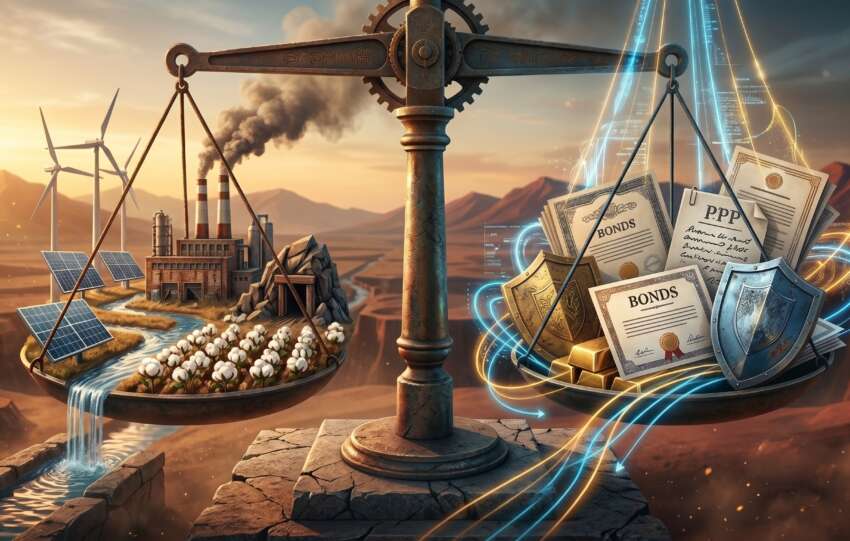
Uzbekistan and the New Development Bank: what does accession really change?

Uzbekistan’s accession to the BRICS New Development Bank is more than a diplomatic headline. It raises a deeper question for anyone interested in development, sovereignty, and economic transformation: does NDB membership give Uzbekistan real financing autonomy, or does it simply repackage familiar de-risking models under a new flag? Our new advocacy brief explores that…

Read more

Sanctions and Formal-Sector Capability Loss in Iran

The Formal-Sector Cost of Iran Sanctions is a research brief showing that repeated sanctions shocks have measurably reduced capability formation in Iran’s formal manufacturing sector, while parts of the parastatal economy appear to have absorbed much of the substitution. The study also finds a partial post-2024 currency shift in trade settlement, but argues that this does…

Read more

Sign Up to Our Newsletter

Be the first to know the latest updates