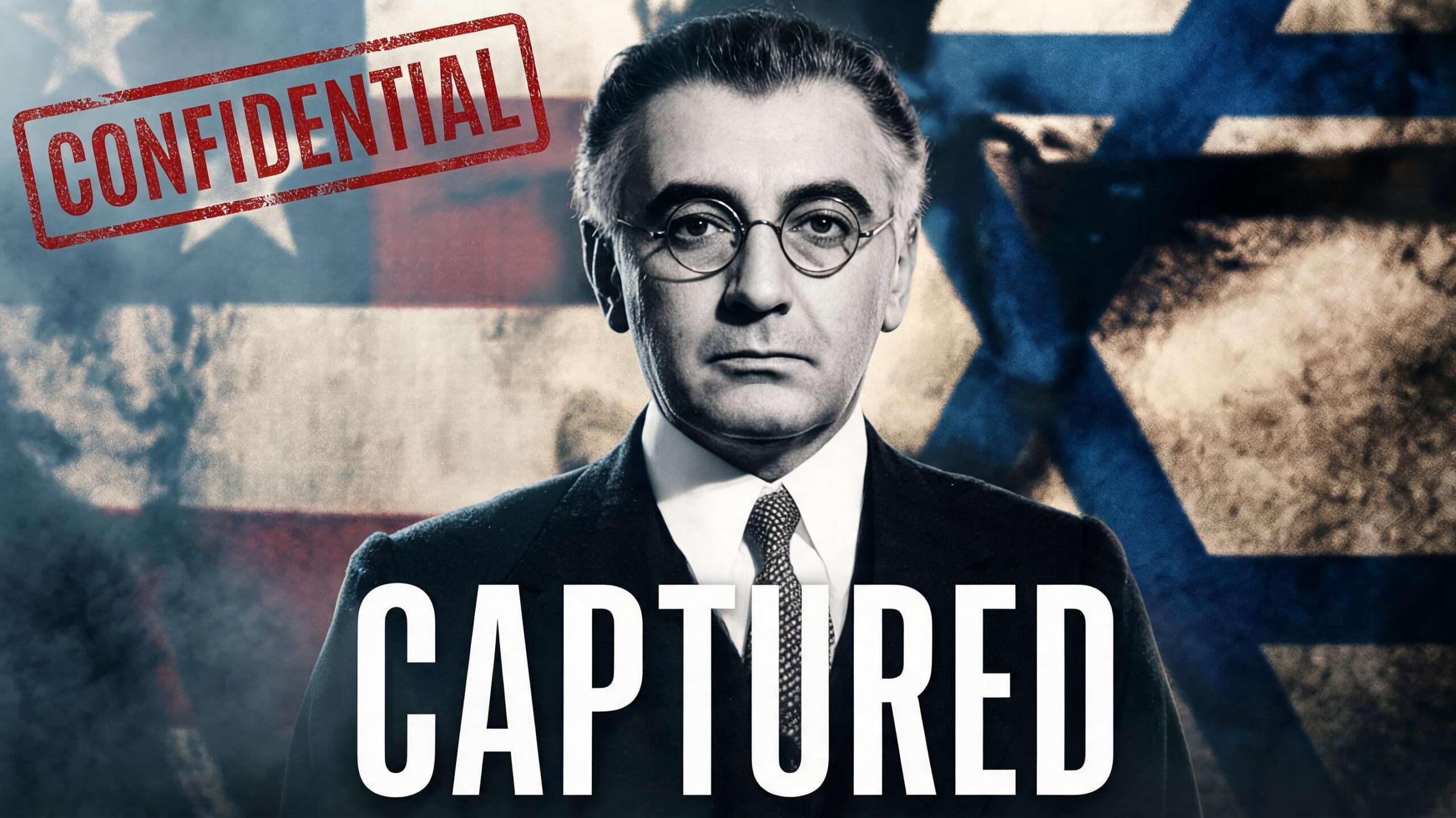

Inside the 100-Year Zionist Strategy That Captured US Foreign Policy
What if the most influential force shaping U.S. foreign policy over the last century wasn’t a government agency, a president, or even the CIA—but a political advocacy network built methodically, decade by decade, to achieve a single goal? That’s the provocative question at the heart of the latest Think BRICS Chronicles documentary, and the answers it uncovers are nothing short of extraordinary.
The film traces the 100-year evolution of the pro-Israel lobby from its fragmented beginnings in the early 20th century to its current status as a permanent, entrenched force in Washington. But this isn’t just a history lesson—it’s a masterclass in how strategic influence is built, sustained, and weaponized over generations.
The documentary opens with a surprising revelation: early American Zionism was not a unified movement. In its first decades, the movement attracted few followers; most American Jews preferred other political or ideological options. The turning point came in 1917 with the Balfour Declaration, when Britain became the first major power to publicly support a Jewish “national home” in Palestine. This declaration shifted Zionist focus from Europe to the United States, setting the stage for a new strategy: framing foreign policy as an American moral mission.
The Holocaust dramatically changed the urgency of Jewish statehood. By 1943, the American Zionist Emergency Council had created what the documentary calls the “modern lobbying playbook”—a template for political advocacy that would be refined and perfected over the coming decades.
Perhaps the most pivotal moment came on May 14, 1948. Against the explicit advice of his own State Department—with Secretary of State George Marshall warning he would vote against Truman in the upcoming election if he proceeded—President Harry Truman recognized the State of Israel just minutes after its declaration of independence. Truman became the first world leader to do so. The documentary argues this decision set a precedent for U.S. foreign policy that continues to ripple through geopolitics today.
From the American Zionist Emergency Council emerged its successor: the American Zionist Committee for Public Affairs, founded in 1953 by Isaiah L. Kenen. By 1959, it had been renamed the American Israel Public Affairs Committee—better known today as AIPAC. What the documentary reveals is how this organization mastered the art of political advocacy by selling Israel to different American audiences through what it calls “marketing genius”.
The 1967 Six-Day War proved transformative. Israel’s decisive victory over Soviet-backed Arab states dramatically shifted its image from a strategic liability to a Cold War asset for the United States. According to the documentary, this solidified Israel as a central pillar of U.S. politics. By the 1973 war, Israel had become dependent on U.S. military aid—a dependency that would permanently bind the two nations together.
The Think BRICS Chronicles documentary offers something rare: a Global South perspective on how American foreign policy was transformed not by military might or economic power alone, but by a sustained, strategic lobbying effort spanning a full century. The film focuses on the institutional growth of the Israel lobby and its historical political influence rather than day-to-day news updates. This long view is precisely what makes it invaluable for anyone seeking to understand why U.S. policy in the Middle East looks the way it does today.
Whether you’re a history enthusiast, a geopolitics junkie, or simply someone trying to make sense of a complicated world, this documentary will change how you understand the relationship between domestic advocacy and foreign policy.
Watch the full documentary now. The story of how a century of strategic lobbying captured American foreign policy is one you won’t want to miss.